AgingCT 2026 Judith A. Stein Advocate’s Award
The Many Lives of Andrei Brel
by Linda Colangelo
Andrei Brel. The name is synonymous with excellence in home care services. Many know him as the founder and longtime president of Juniper Homecare, consistently rated as the top home care agency in Connecticut. Brel poured the best of himself into Juniper for 28 years, positively impacting the lives of thousands of seniors and their families. Juniper was recently acquired by the Honor Health Network, a company, Brel assures, that shares the same values that he instituted in his lifetime of service to the award-winning agency.
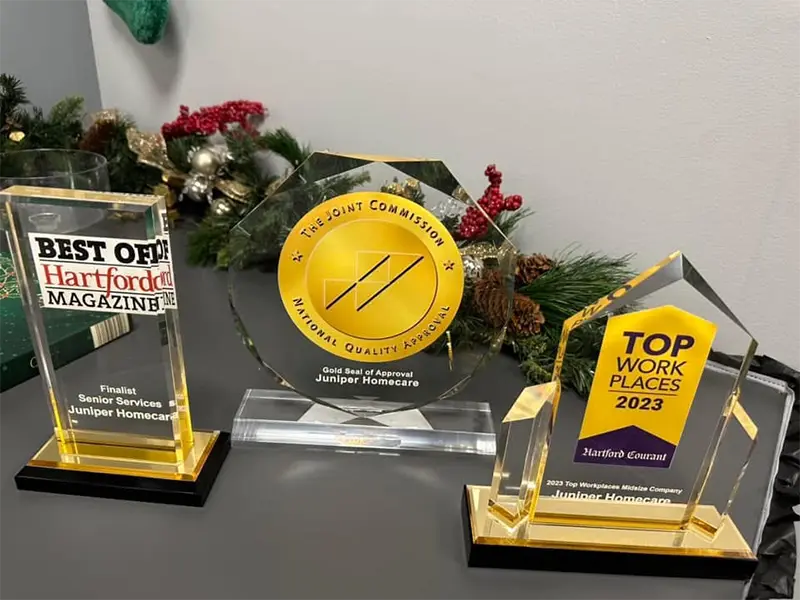
The awards tell the story of hard-earned achievement – Best of Hartford winner, voted Top Workplace by the Hartford Courant and USA Today, and Juniper earned another Gold Seal of Approval® for this year’s review by the Joint Commission, the largest health care accreditor in the United States. This designation demonstrates Juniper Homecare’s commitment to patient safety, high-quality care, and continuous quality improvement. Accreditation is a challenging and expensive process, and while not required for homecare agencies, Brel pursued the designation to show clients, caregivers, and community partners that Juniper was willing to be measured against the highest standards and welcomed the opportunity to be monitored and verified. Under Brel’s leadership, Juniper became one of the only non-medical providers in CT who has earned the designation.
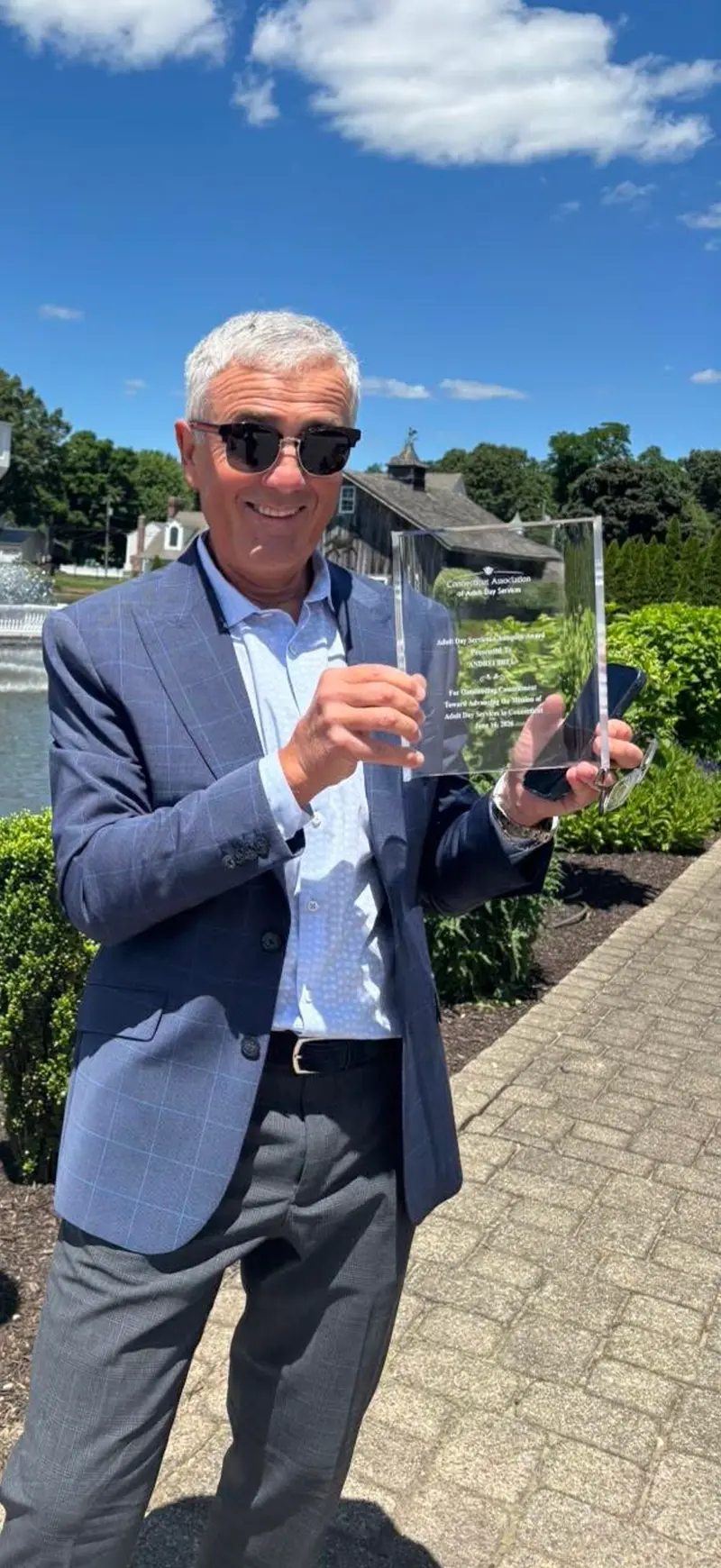
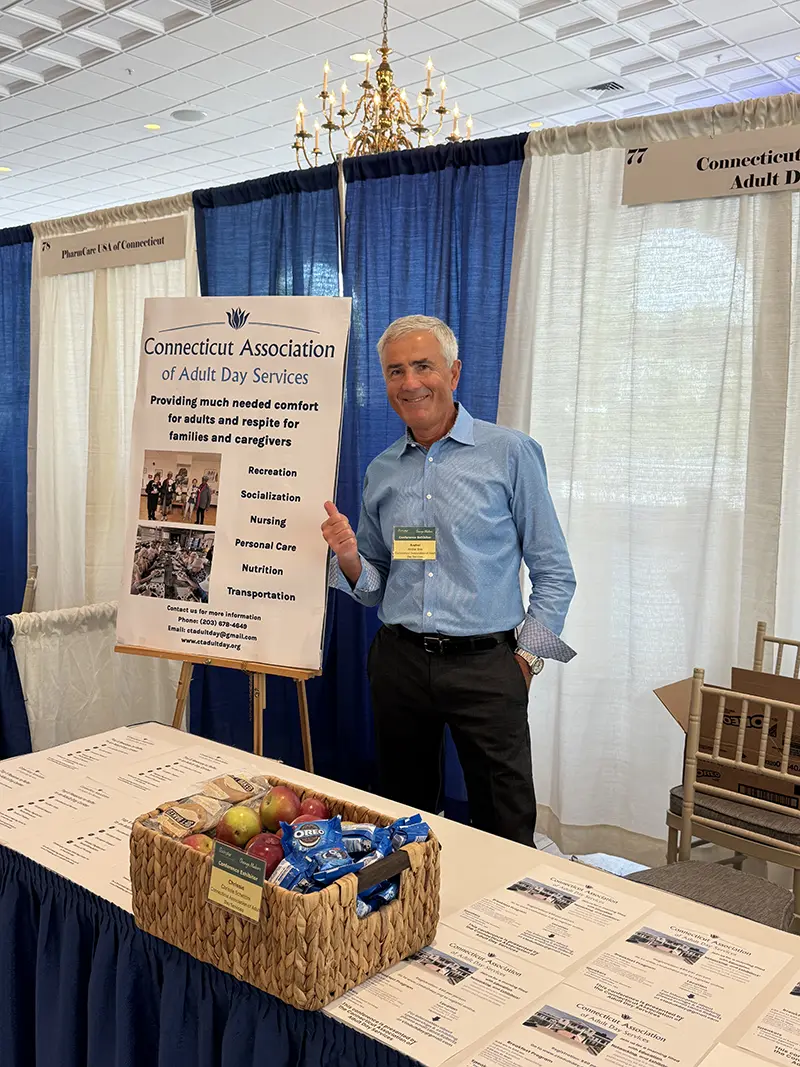
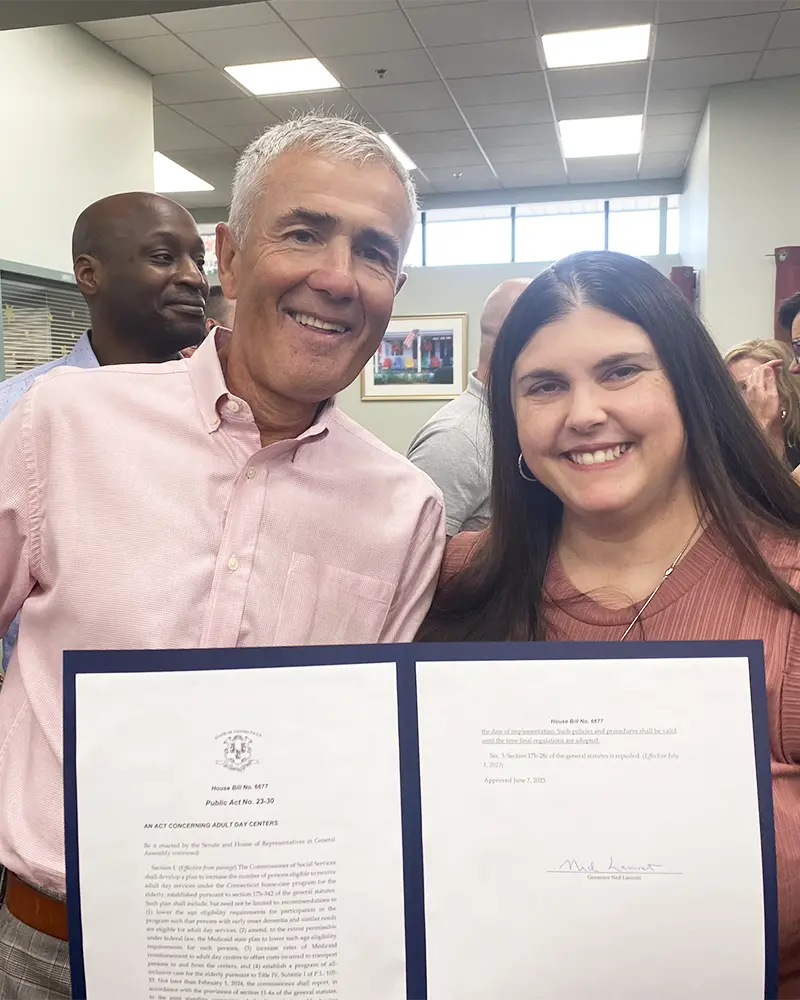
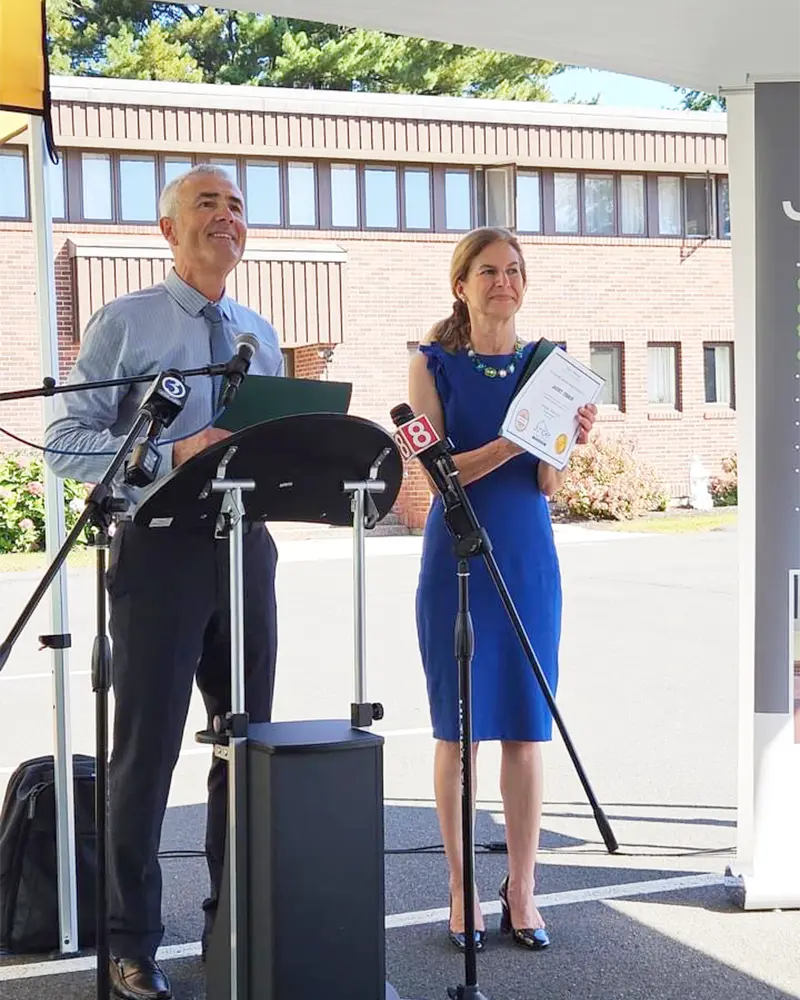
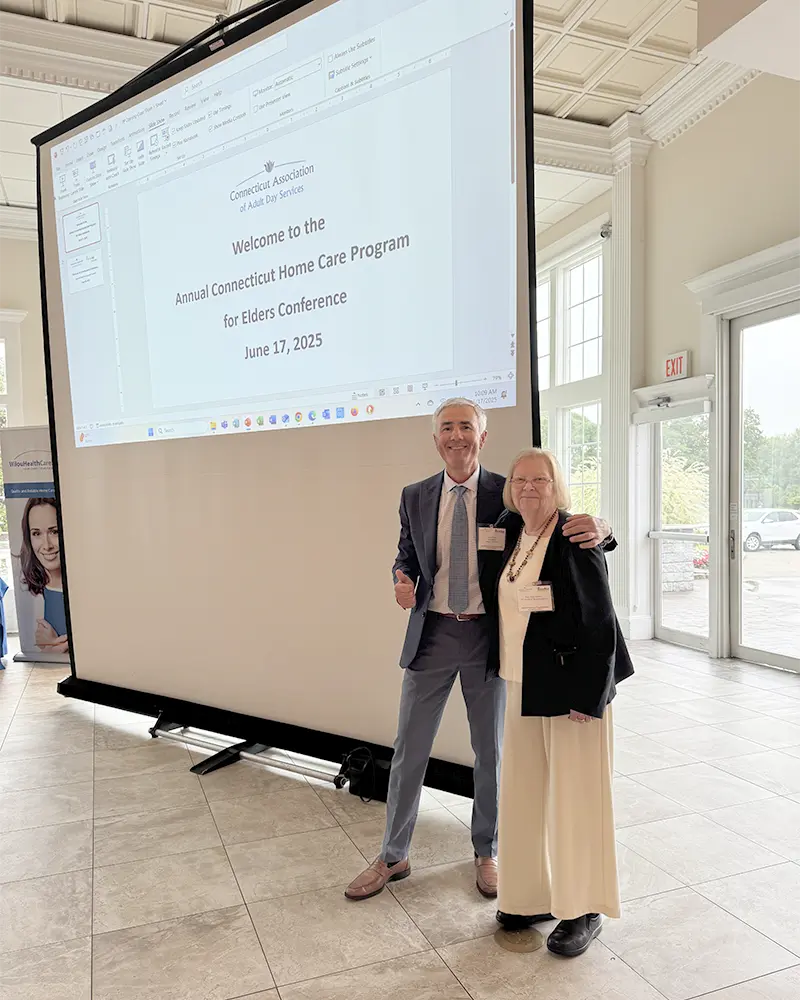
On a professional level, Brel served as president of the Connecticut Association of Adult Day Services (CAADS) and was their advocacy chair for many years. He has been honored by the Connecticut Immigrant and Refugee Coalition at a State Capitol ceremony marking Immigrant Day, and this past June, received a CAADS leadership award presented by State Representative Jane Garibay. Now, he adds the AgingCT Judith A. Stein Advocate’s Award that honors an individual whose work reflects Judy’s unwavering commitment to advocacy – amplifying the voices of underrepresented communities and protecting the fundamental human rights of older adults and individuals with disabilities.
What many people don’t know are the many names and lives of Andrei Brel. His success is a story of perseverance over fear of persecution, resilience over repression, and the compassion and commitment that inspired him to become a powerful change agent for some of life’s most vulnerable populations.
Andrian: The First of First Names
Brel spent the first 31 years of his life experiencing the vulnerability of living in the former Soviet Union. As late as the 1950s and 60s, the country was still recovering from the devastation of World War II and trying to find a way forward through post-war reconstruction, rapid urbanization, and slow industrial and economic recovery. Meanwhile, post-Stalin era repressions were targeted against those who did not conform to Soviet ideology. The KGB, the notorious security watchdog of the Communist Party, surveilled suspected dissidents, and those daring to speak out or judged to be disloyal to the regime were persecuted, arrested, imprisoned, institutionalized or exiled. Many, and those associated with them, became social outcasts. While Brel was never personally persecuted or directly targeted by the KGB, the fear was ever present, and that was a stark reality of his first life.
Brel was born Andrian Ioffe, after the Soviet cosmonaut Andrian Nikolaev, in Minsk, Belarus. An only child, he was raised by parents who experienced the horrors of World War II. His Belarusian mother, Yulia Brel, was orphaned at age five, having lost both parents in the opening days of warfare when Germany invaded the Soviet Union in 1941. She was raised in an orphanage until age 16, persevered to pursue her own education, and eventually became a respected chef working in the historic Na Rostaniach, a well-known Soviet-era cafe in Minsk. She worked hard, and with integrity and honesty as her moral compass, she managed to avoid arrest in a post-Stalin era where it was common to arrive at work and never return home. Brel describes her as “smart, brave, and tough, but caring.” His father, Valeryan Ioffe, was Jewish – a population that faced systemic state-sponsored persecution and cultural suppression. Despite this, Ioffe was popular, and was satisfied to work day-to-day, earning a reputation as a well-known, resourceful electrician.

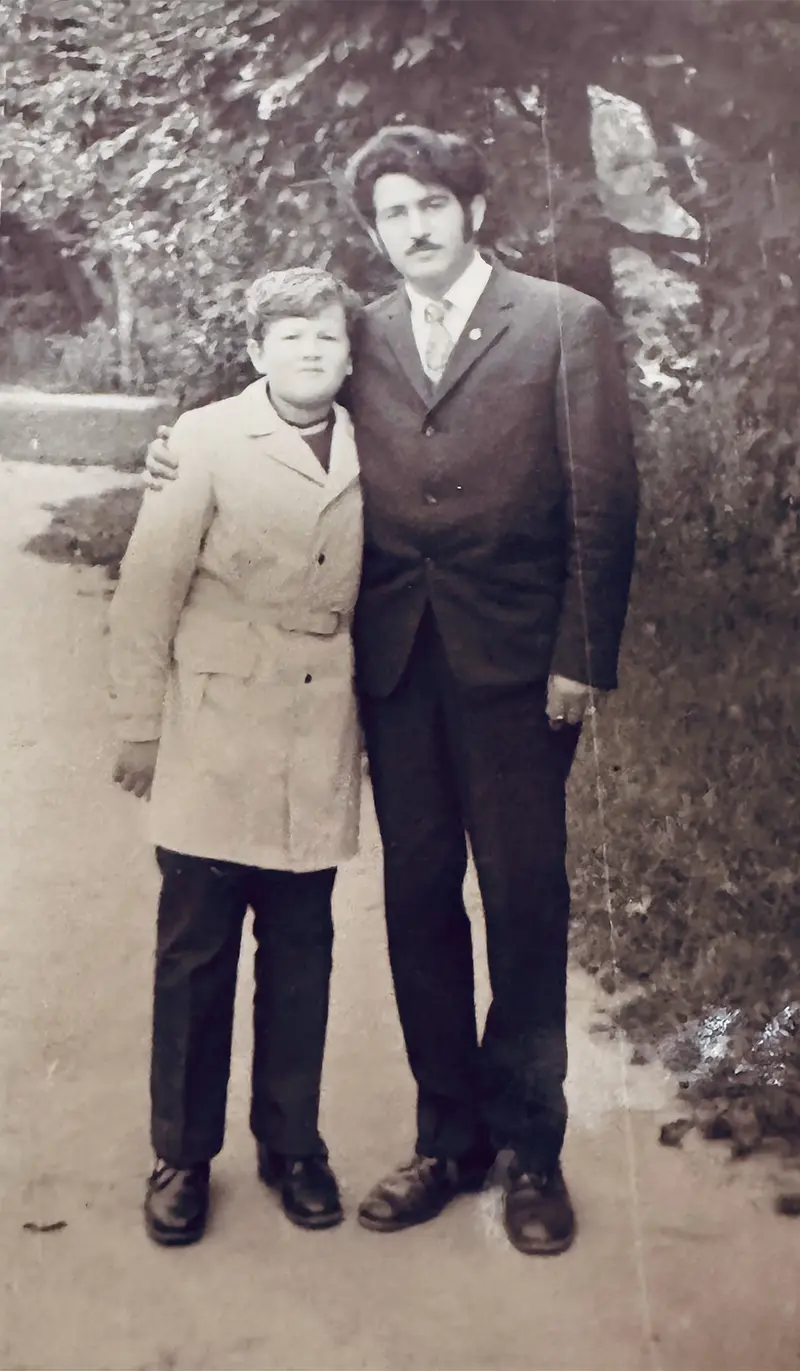
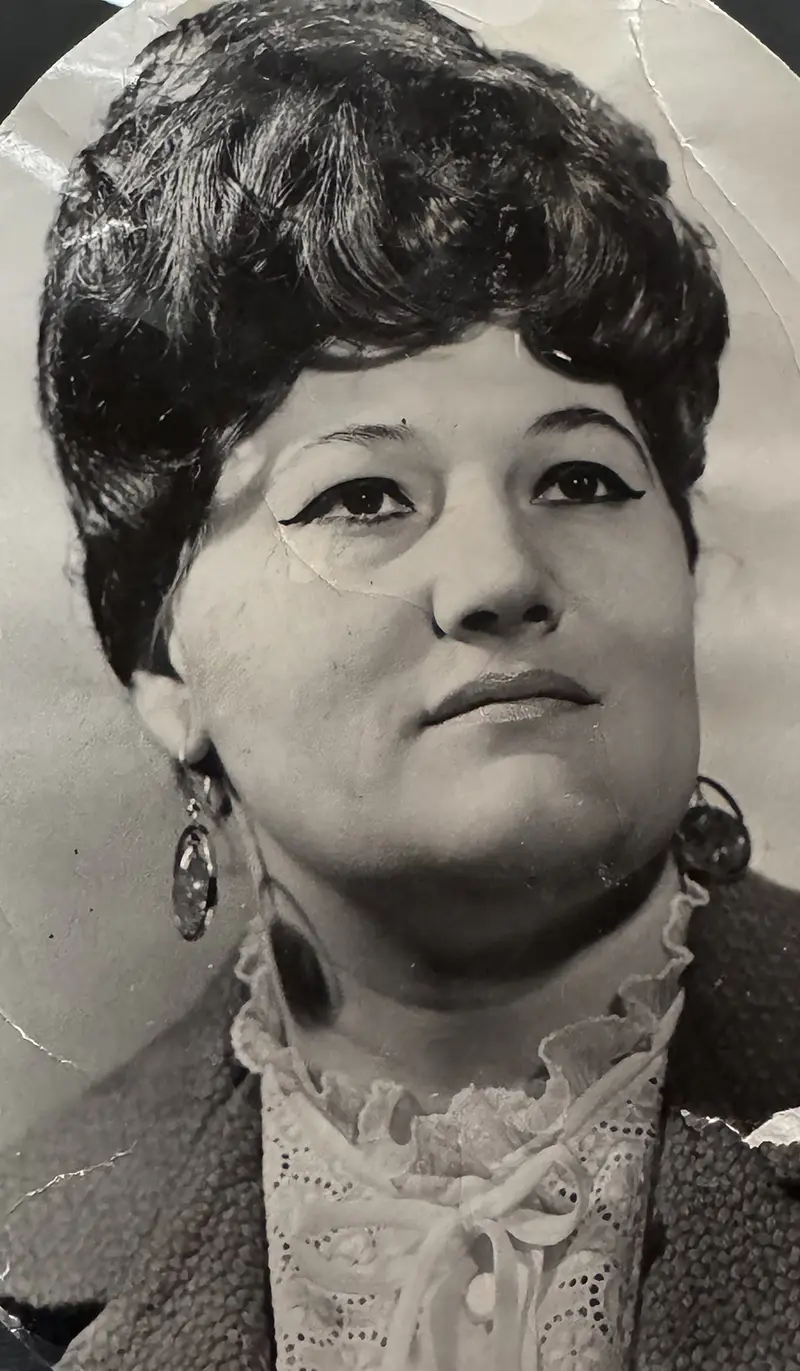
Brel’s parents divorced when he was five. His mother became his primary caregiver and a steady provider. His father maintained a presence in his life, and both worked to make sure their son would be loved and well-cared for. The only thing that stood in his way of opportunity – was his last name.
“Being raised and living in the Soviet Union, you are surrounded by extreme poverty and rights deprivation,” Brel explained. “In a communist authoritarian regime, you cannot speak your mind or live your dreams. My last name – Ioffe – was Jewish, so my parents knew that my future options would be limited. I would not be able to get into a good college. I could not pursue my childhood dream of becoming a pilot. So, at age 14, I took my mother’s surname and we changed my name to Andrei Brel so I could be considered for better opportunities.”
Within two years, Valeryan Ioffe thought that better opportunities might await him in the United States. He emigrated in 1978, with the help of a relative living in West Hartford, CT who signed a personal guarantee for him. Jewish Family Services, also located in West Hartford, was responsible for the resettlement and assimilation of 80-90 refugee families arriving from the Soviet Union during that time; Brel’s father among them. His emigration was considered a betrayal of the motherland, and many refugees were considered enemies of the state.
With the loss of the family unit, compounded by the geopolitical standoffs of the Cold War era, one might think that Brel was left with bitterness. Instead, it created a groundswell of compassion in the young man, who was always moved by the plight of others.
“I loved my dad and I was sad to see him emigrate,” recalled Brel. “But there was so much uncertainty and fear of the KGB back home, so I was also happy for him in many ways and wondered how his move might benefit me in the future. My mother had also provided such a strong foundation for me and was such an inspiration, so I did not feel as though a male figure was lacking in my life.”
Still, Brel remembers this as a time of struggle. He was 16, about to graduate from Secondary School No. 42 of the City of Minsk and the future seemed uncertain.
Eventually, opportunities began to come along. Belarus was facing a shortage of construction engineers in the early 80’s, so the government was willing to look beyond Brel’s Jewish descent, and he was accepted into the Belarusian Polytechnic Institute. He graduated from a five-year program with a diploma in engineering…and as a lieutenant in the Belarusian Army Reserve.
Somewhere in between his education and military service, one might say that Brel walked into the opportunity of a lifetime when he was asked to simply accompany a childhood friend home.
Becoming Andrei: In the Name of Love
“Zhanna Drozd was a friend of mine who lived close by and we hung out with the same group of friends,” Brel explained. “She was absolutely gorgeous and popular, and I knew I had no chance to date her because we were friends. One day, we were out and a guy was too persistent with her, so she asked me to pretend I was her boyfriend and walk her home. I did not hesitate to take her up on her offer…and we were married just 18 months later.” A year later, daughter Yulia was born.
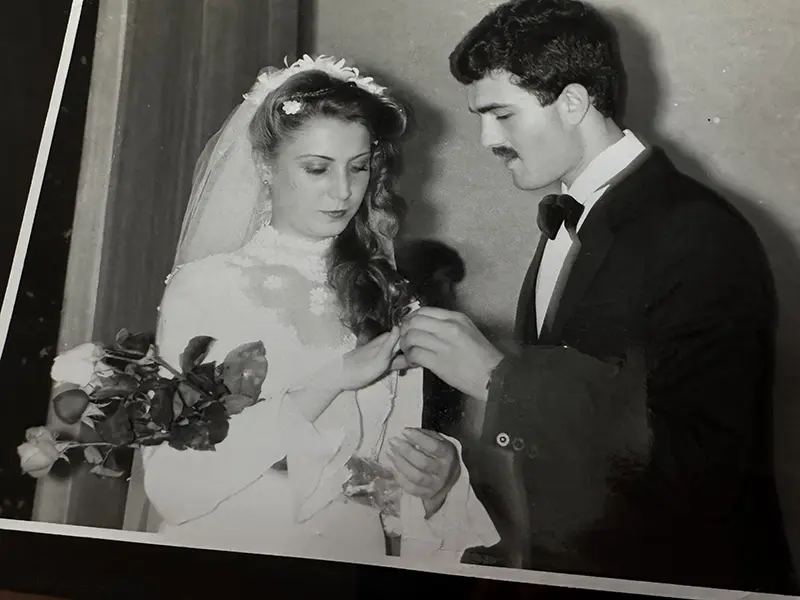
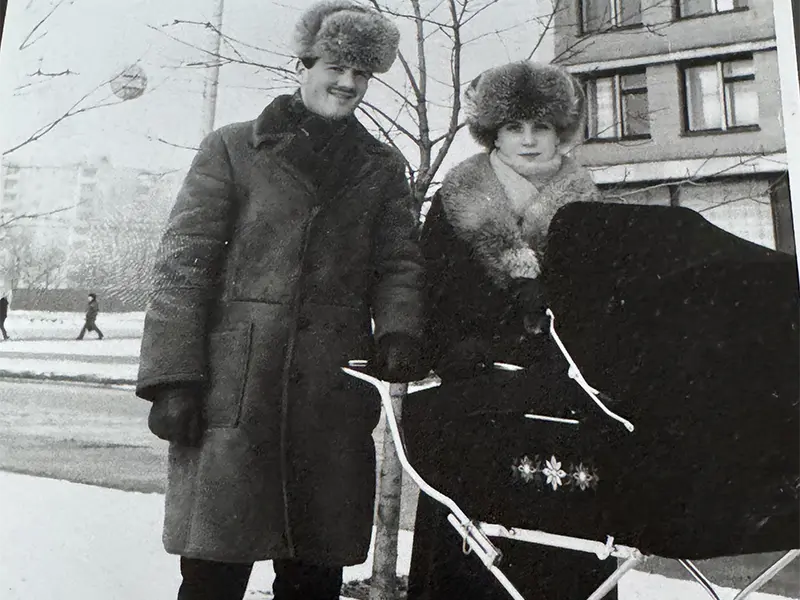
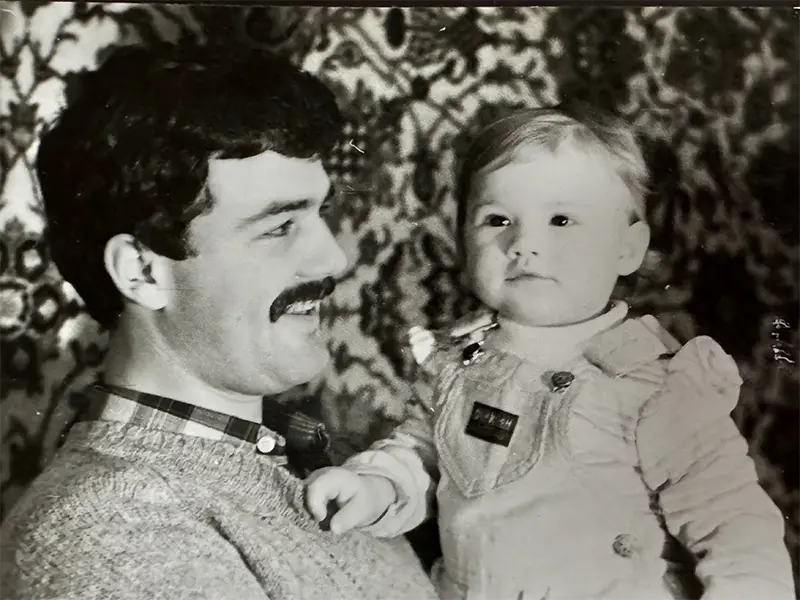
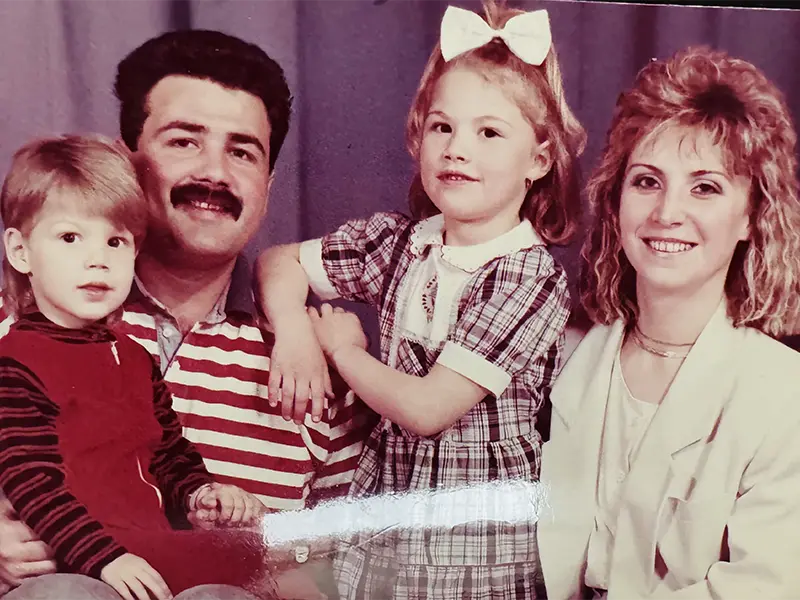
Then came Perestroika, the era of economic and political restructuring initiated by Mikhail Gorbachev in the mid-1980s that lead to the end of the Cold War and breakup of the Soviet Union. The new opportunities that Brel had longed hoped for came to him, but at a cost.
“It was a most unusual time, and people did not know what to do,” said Brel. “I left my job as a construction engineer and took advantage of a time when you could start your own business for the very first time. I opened a cooperative that included four departments: construction, plastics manufacturing, science bio research, and a wholesale operation that offered everything from food and beer to clothing and televisions. I also received one of the first permits to operate my own car as a private taxi in Minsk. I drove at night to provide for my family, because government jobs were gone, there was massive inflation, and the devaluation of the ruble. Eventually, because of my construction background, I was able to open my own construction business. I was very proud of this, but as I became successful, it became very dangerous. If you make money, you become a target. I became worried for my family’s safety.”
On April 26, 1986, came the event that made everyone worry about their safety. The Chernobyl disaster. During a reactor systems test, a sudden surge of power destroyed Unit 4 of the nuclear power station located in Ukraine. The accident released massive amounts of radioactive materials into the environment and contaminated wide areas inhabited by millions of residents, including Belarus. Then 23-year-old Lieutenant Brel was mobilized to the 30-kilometer exclusion zone, a 19-mile area placed under military control and designated for evacuations.
“Three days after Chernobyl, I was called up at 5:00 am and transferred to the 30 KM zone because of my construction background to organize and handle shelters for refugees and arriving Chernobyl rescuers,” said Brel. “My daughter was only 2 ½ at the time and I was stationed there for six months.”
Brel eventually returned from his deployment and continued to work and provide for his family. Son Anton arrived in 1988. Brel’s father returned for a visit that same year to meet his daughter-in-law, granddaughter, and new grandson. The following year, Brel traveled to the United States for the first time to visit his father and began to lay the groundwork to bring his family to America.
Brel’s beloved mother, his idol and inspiration since birth, passed at age 56 in 1992. This life-altering event, coupled with growing crime and danger in Belarus that caused concern for his family’s safety and well-being, opened the door to Brel’s next life.
Making a Name for Himself in America
The Brels arrived in the United States on October 15, 1993, a date they consider to be a “second birthday” for their family. Jewish Family Services helped them to resettle in West Hartford, as they did for the father who emigrated 15 years earlier. Andrei’s father was there to greet them at JFK Airport in New York. Time and distance were erased with each embrace. He had prepared an apartment for them, filled the refrigerator with food, and provided some essentials. He was a constant presence, helping to translate in his broken English to his family that spoke not a word of it. He introduced them to the food, the culture, and the ever-growing community of Jewish settlers.
“It was a day of absolute joy and I was so happy to finally be in America,” recalled Brel. “Everything was new and exciting. Expectations and hopes were high, and life looked so promising.”
Within nine months, still struggling to learn English, Brel found himself interviewing for a job at the Connecticut Department of Social Services (DSS). They saw something in him and hired him as an eligibility worker. During his onboarding process, the personnel department asked how to pronounce his name.
“I was so eager to assimilate into America’s society quickly and smoothly, so I said ‘Andrew,’ knowing it was an easy-to-pronounce American name,” Brel admitted.
“Andrew” Brel began what would become an 11-year career at the state, eventually becoming a Protective Services for the Elderly social worker.
“I was on front lines of serving people who came to apply for their benefits…food stamps, Medicaid, and other absolutely necessary things to survive, and I was the first one who listened to them and helped them to get those benefits,” Brel remembered. “That was a moment when I understood that I was absolutely in the right place, and I loved it. I was helping single families, the elderly, and disabled. It also showed me that I could help people more if I had more education and experience, so I enrolled in the University of Connecticut School of Social Work to earn my master’s degree.”
For Zhanna, it was déjà vu. “Starting over in a new country was hard, and here we were again, with Andrei working full time, going to school, and trying to be there for his family,” she said. “It was never easy, but he never gave up. He always gave it his best, and always with a positive attitude.”
Brel identifies his time growing up in the Soviet Union and witnessing the poverty and pain of people, and then his time at the State of CT as the environments that formed the core character trait of compassion for which he is known today.
“I was working with immigrant communities, helping people who did not speak English, or had English as a second language,” he explained. “Being an immigrant, I saw the opportunity, the huge need for providing services that were culturally adjusted for those populations, for people who speak different languages. In the 90’s, Connecticut saw an influx of settlers because it had the reputation of being a very good, very beautiful, and very welcoming state. My experience opened my eyes to a niche that I knew I could fill. So, in 1998, I opened my first adult day services office in a senior housing facility called Juniper House on Prospect Avenue in Hartford. That’s where the name started, and as we grew and expanded services, we changed it to Juniper Homecare.”
What started with eight clients three days a week, grew over the next 28 years, as Juniper became one of Connecticut’s most respected home and community-based healthcare organizations, providing Homecare, Personal Care Assistance, Adult Family Living, Meals on Wheels, Adult Day Services, and other community supports. In 2022, Andrei expanded his mission by acquiring Infinity Home Health, further increasing access to quality healthcare.
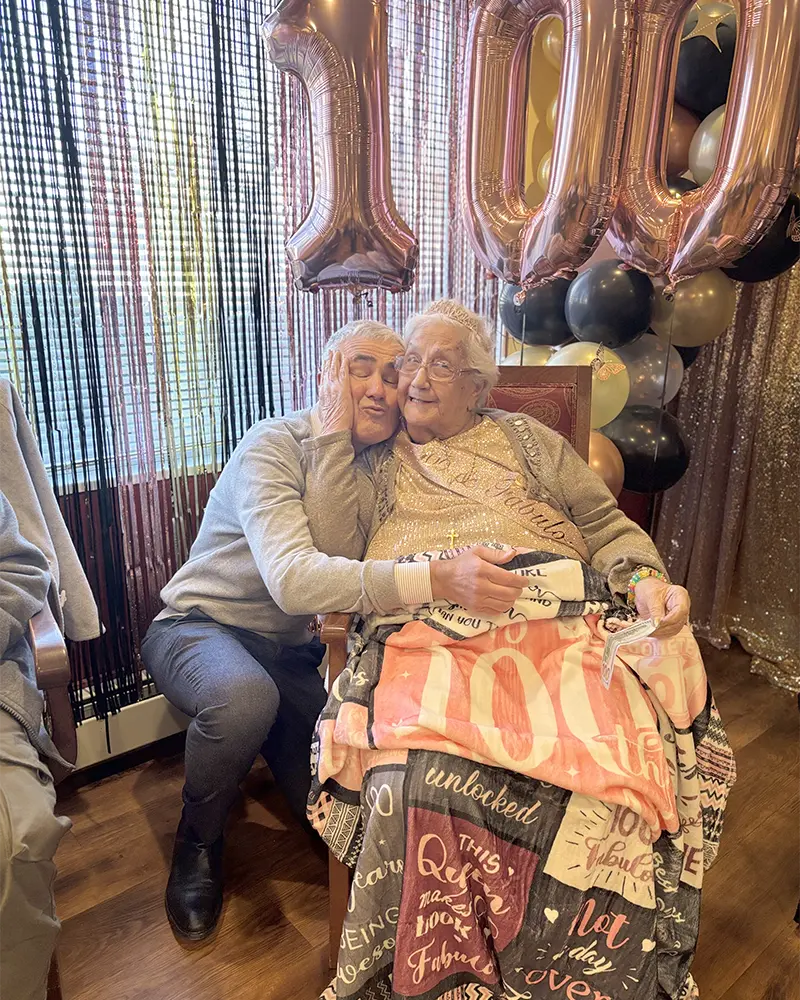
The numbers tell the story: Juniper boasts 1,500+ caregivers, including staff and families, who provide care for 2,500+ clients daily. The organization operates four adult day centers and two commercial kitchens, serving over 10 million meals in the past 28 years.
During the peak of COVID-19, Juniper partnered with the State of CT to distribute thousands of meals to those in need. Beyond their annual Thanksgiving meal delivery, they are often the only agency that accepts emergency Friday evening calls to deliver meals to families relocated to motels or shelters by Protective Services.
Brel points to critical programs such as meals on wheels and personal care assistance that many cannot survive without but also identifies face-to-face communications as equally important.
“The same customer who needs their food from us can’t wait to see our driver every morning to chat or just say ‘hi’ as it is often the only communication they have all day. Adult Day Services boast plenty of examples, too. Those day-to-day activities, socializing, being observed by a nurse, not worrying about transportation, food, or doctor’s appointments…it’s all priceless.”
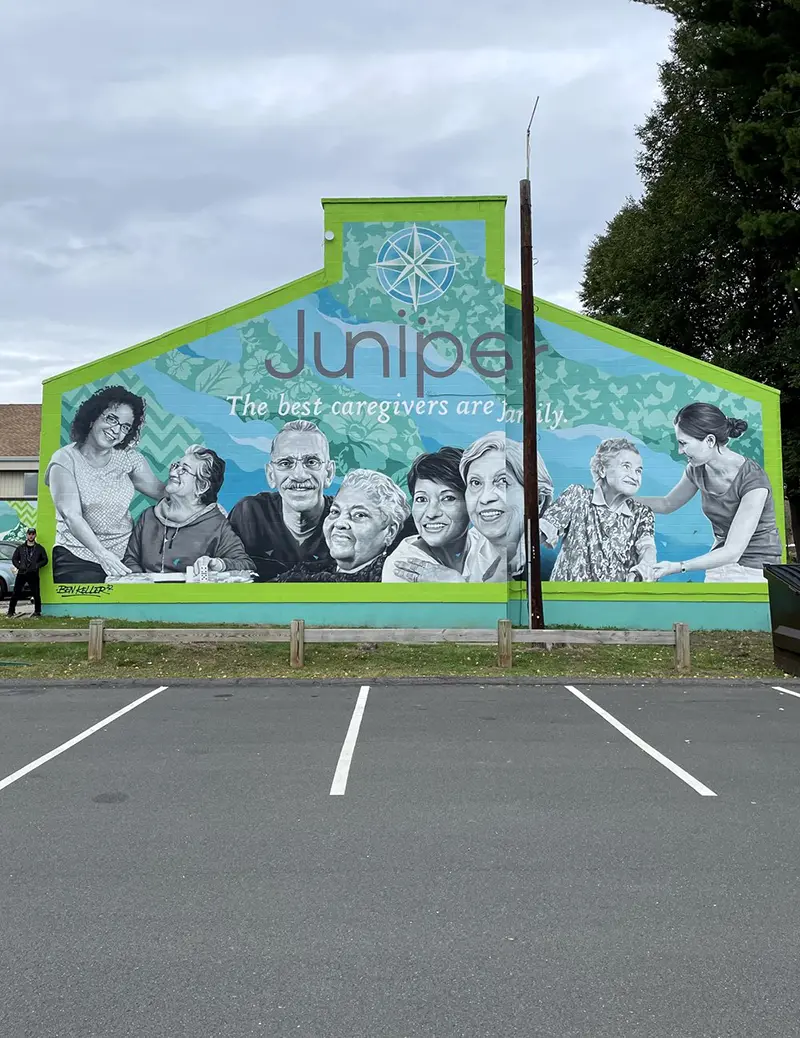
The success of Juniper Homecare was always a family affair, with Brel memorializing that sentiment in the company slogan, “The best caregivers are family.”
Zhanna previously worked as a skilled beautician while helping to support her husband’s efforts. She joined him at Juniper and was responsible for the Meals on Wheels program run under the name of “Elmwood Kitchen” that served nearly 1,500 meals a day at its height. Everything was made from scratch, they sourced fruits and vegetables from local farms, and offered three distinct menus that featured traditional American, Spanish, and Eastern European options. The Brels insisted that every client felt like they had a seat at a family table.
The 10-year-old and five-year-old who emigrated to the US with their parents and watched their many years of dedication and sacrifice learned their lessons well. Daughter Julia joined the business, became director of homecare services, and remains in that role today. Son Anton has served as vice president of operations, and vice president of marketing, and is now active with the family’s other businesses. Both children model their parents’ sense of charity and often spend holidays delivering meals and goodwill to clients.
“My family made sacrifices right along with me,” commented Brel. “Zhanna worked long hours and every Saturday, but there was always a hot breakfast for the children and a meal in the fridge when they returned home from school. Julia was an amazing competitive swimmer and was recommended to a private trainer, but we couldn’t afford it in those early years. Anton was great at hockey, but again, we couldn’t afford the sport, so we decided on soccer. He still did the work and garnered a college scholarship. We are all very proud of what we have accomplished with Juniper, and as a family.”
Brel credits a number of professional peers who opened doors and opportunities for him along the way, including Beverly Miller, a manager at DSS, and Mary Moran, his first supervisor; Professor Albert Alissi at the UCONN School of Social Work, who encouraged Brel to start his own business; former West Hartford Town Councilman and 20th District State Representative Joseph Verrengia; Marie Allen, president & CEO of the Southwestern Agency on Aging; and Jane Garibay, state representative for the 60th House District and current House Chair of the Aging Committee.
He specifically credits the long-term stability of the Juniper staff for their collective success, citing many employees who have worked for the company for 10-25 years. Juniper is well-known for their credentials and high standards and is consistently voted a top workplace. Benefits such as comprehensive health insurance and a 401k plan, education reimbursement for certifications, free meals, quality uniforms and equipment, and employee celebrations have helped to create a top-rated client experience, and an authentic approach to employee satisfaction. Brel was especially proud to have consistently paid his employees above minimum wage.
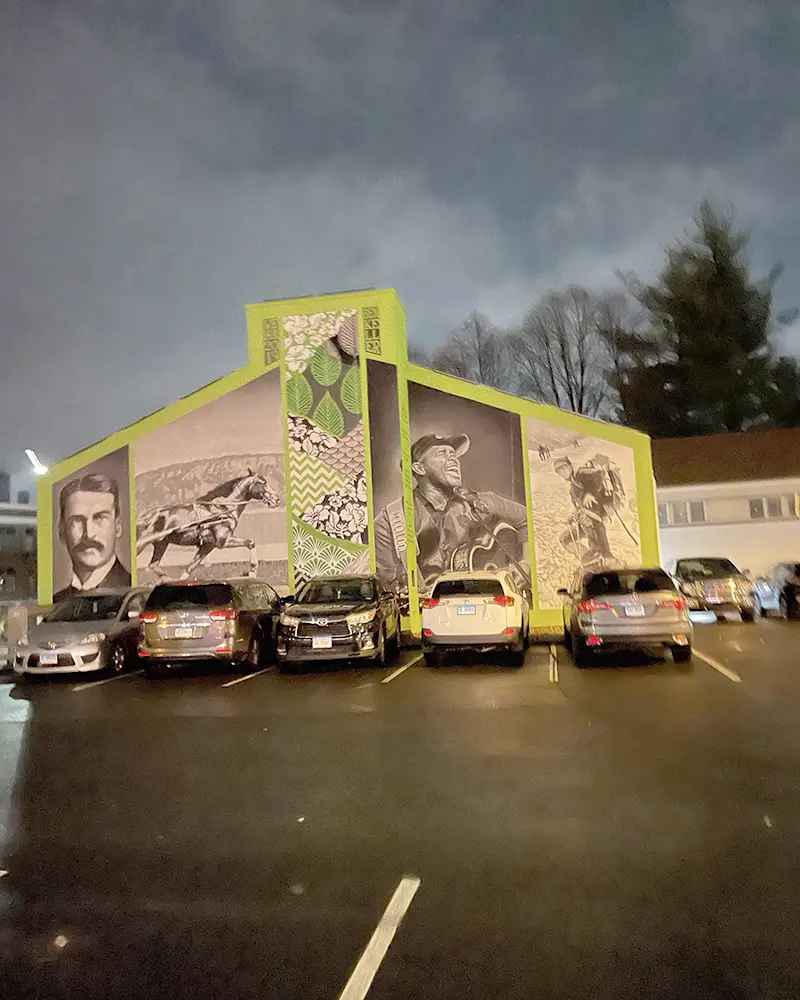
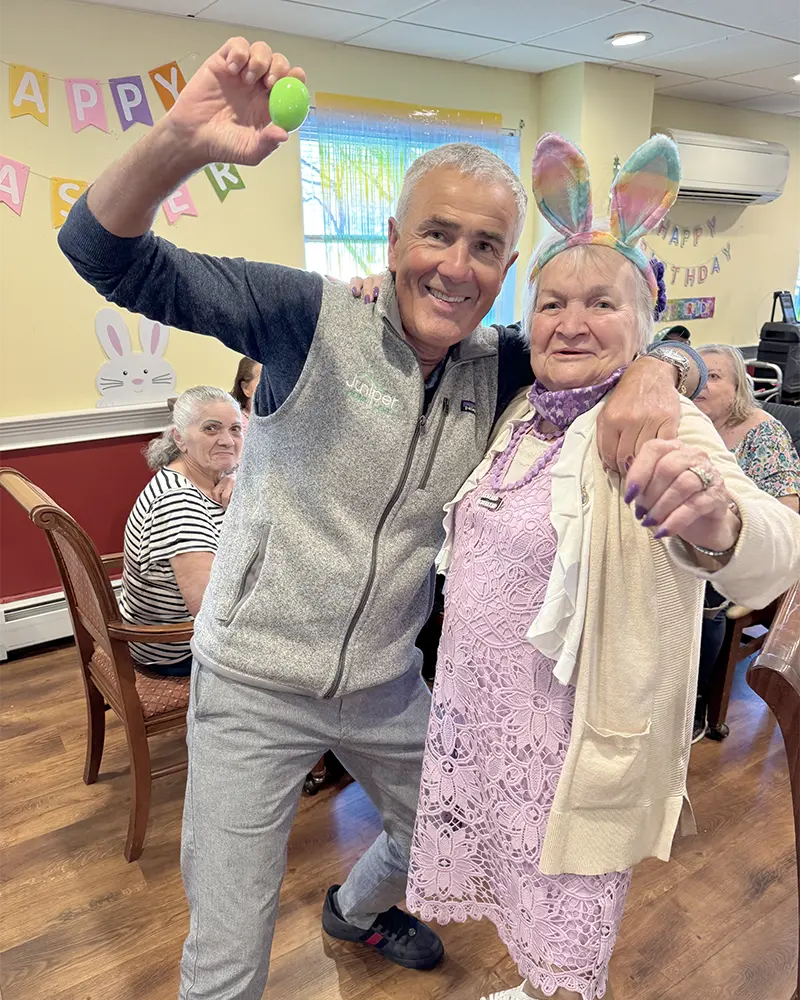
While he has earned a well-deserved reputation as an astute businessman with an indefatigable work ethic, Brel is also known to be the life of the party. He believes that there is something and someone to celebrate every day, so special occasions became regular events at Juniper. Themed days, holidays, and employee birthdays keep spirits high, joy flowing, and employees loyal and engaged. Brel celebrates clients, caregivers, and community in ways big and small. In 2023, to celebrate the 25th anniversary of Juniper Homecare, Brel brought the essence of family caregiving to life in a larger-than-life mural that was painted by artist Ben Keller on the agency headquarters, located at 1100 New Britain Avenue in West Hartford. Now known as the “Mural Building,” it is a stunning visual reminder that the best care begins at home.
Looking back on his career, Brel knows that there is much to celebrate. “Without the dedication of family, commitment of employees, and support of community partners, and my many mentors, I would not be who I am today, and Juniper would not have become the state’s number one homecare agency,” remarked Brel.
While he is humble and gracious to always credit others, all the good he has put out in the world returns to him in the form of the countless lives he has improved…including family, clients, and communities at large.
“He is the one who cares about everyone, always understands, and will try to resolve any problem, work related or personal,” said Zhanna. “You can call him anytime and he will make time to talk. People respect him and feel comfortable to be around him. Our day care clients call him ‘gold heart’ and it’s true.”
His children describe him as “inspirational, loyal, charismatic, and a visionary.” They recall his many years of hard work and perseverance as he juggled full-time work, his education, military service, business start-ups, and family responsibilities.
“I have never met anyone who works harder than my dad, and looking back, I’m not even sure how he did it all,” said Brel’s son, Anton, who describes his father as his best friend. “He had no time for himself, but he always left Saturday afternoons open to take my sister and me on adventures. This is something he refused to sacrifice and is one of my favorite memories. I learned perseverance from him. The road isn’t supposed to be easy and rarely is, but if you work hard towards a mission you believe in, you can achieve your goals and arrive at your destination.”
Daughter Yulia, who, like her father, changed her name to Julia to ease the transition to America, gave a candid assessment of the leadership that defines him.
“He will always make sure that you know you play an important role in the success of the company and care of the clients, whether you work as a dishwasher, for the meals on wheels program, or as vice president. He always finds opportunities to encourage, compliment people for their hard work and to promote employees. He dreams big, sets big goals, and encourages others to do the same. His response to any idea is always the same ‘Why not? We can do that!’ Watching him as a kid, I was always so inspired and proud that he was my dad and that he was helping so many people. His example motivated and encouraged us to work just as hard. Our parents always worked as a team and showed us that hard work and dedication really pay off. I still have those ‘pinch me moments’ where I can’t believe where Juniper is today and how far we’ve come…and how many lives we have positively impacted along the way!”
The Name of a Lifetime
After a lifetime of changing his name to pursue opportunity and make life easier for others, a name finally found Brel: “Juniper,” and with it came a perfect description – an evergreen that thrives in harsh, cold, and rocky environments. A name that symbolizes resilience, endurance, and quiet strength because it grows in tough soils; a name mentioned in the Old Testament as a sheltering tree, used in ancient rituals and burning practices to clear negative energy and purify spaces.
The exact thing that Brel worked his entire life to do.
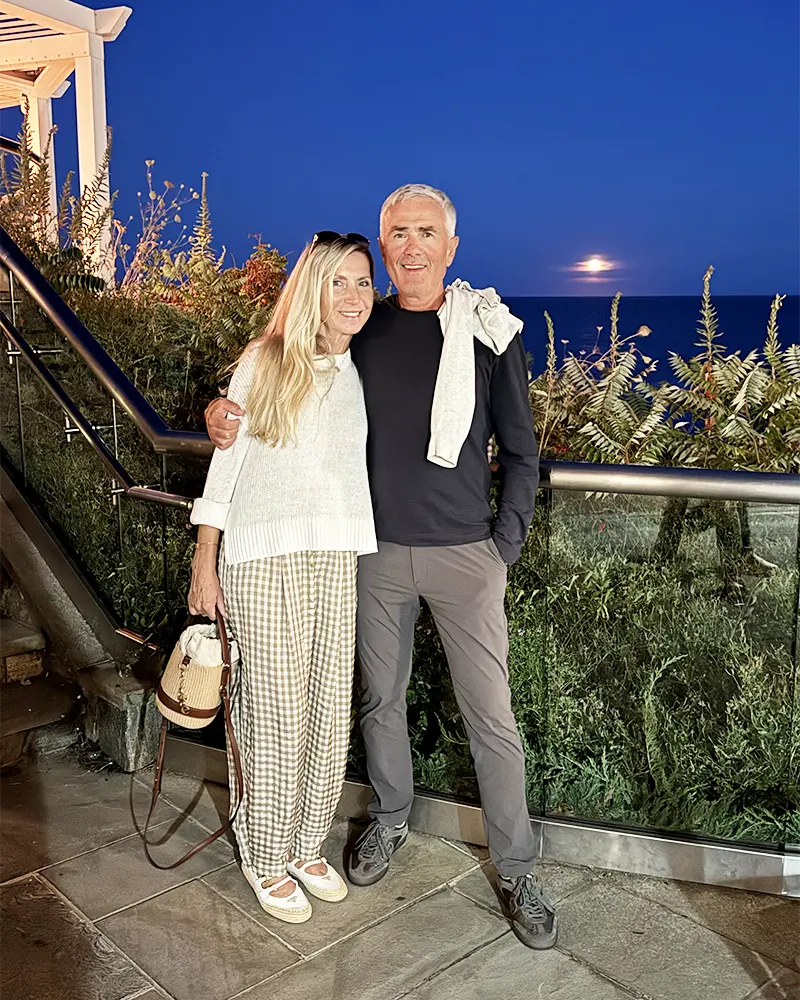
Now in retirement, he plans to enjoy long walks on the beach, biking, golf, pickleball, and spending as much time with family as possible. His family wishes the same for him…that his next chapter will bring him all the joy, purpose, and fulfillment that he has brought to so many others, and to finally slow down, enjoy the life he worked so hard for, and make more beautiful memories with the people he loves.
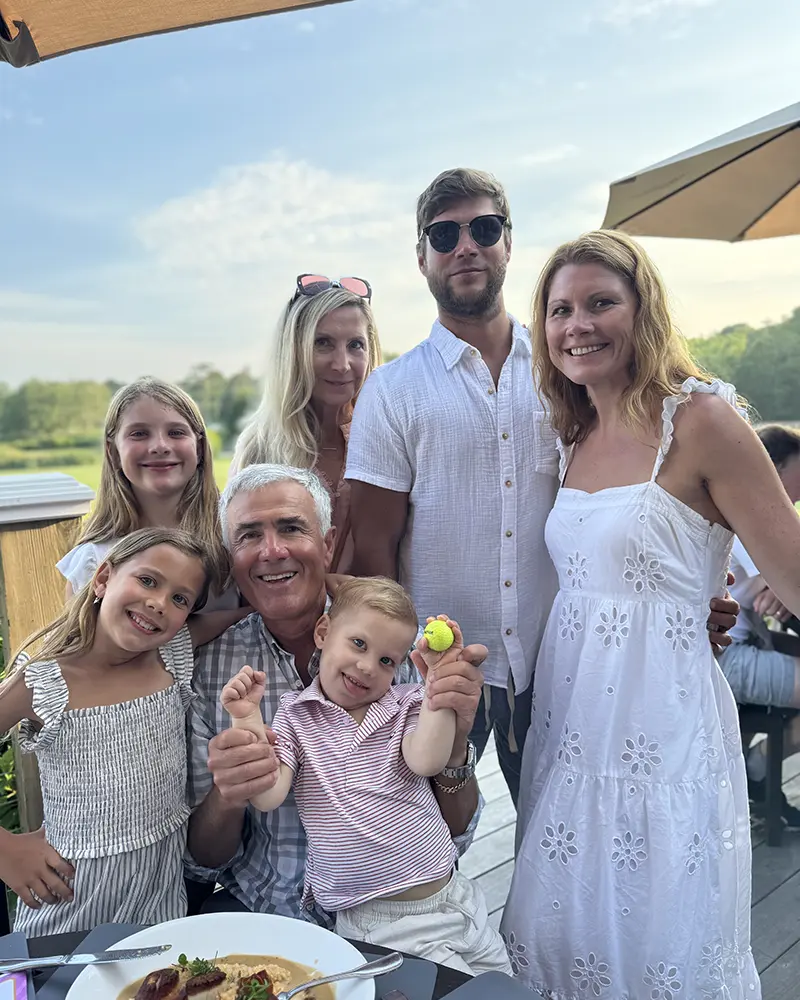
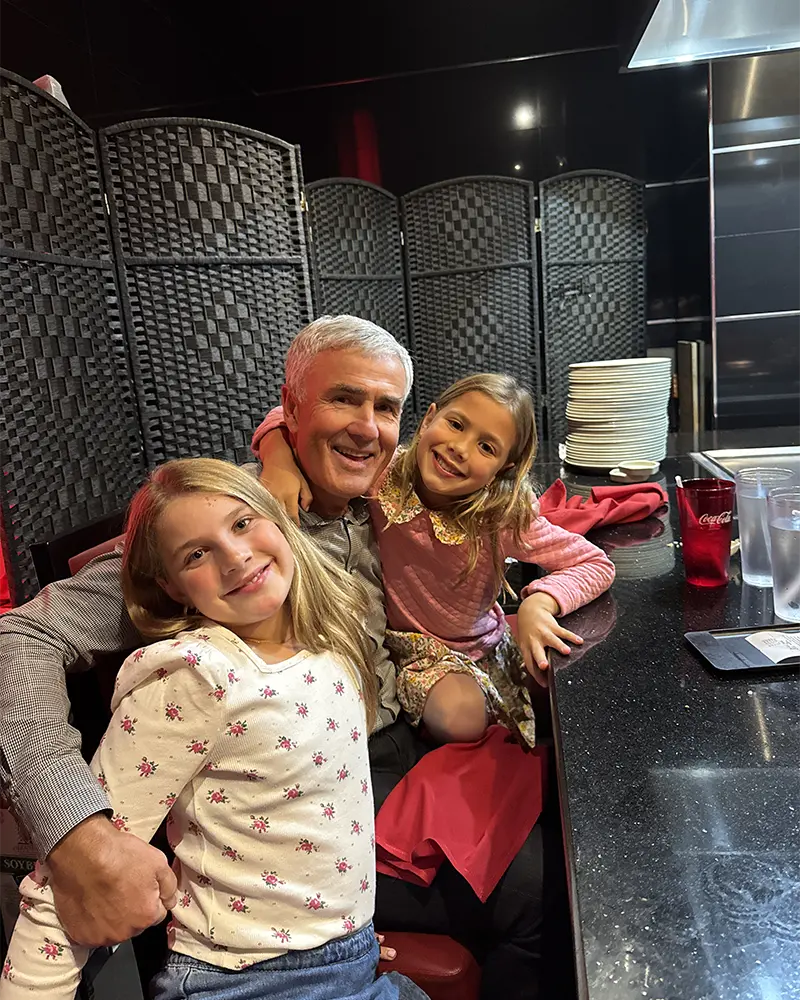
These days, his favorite name is “Dede,” short for dedushka or grandfather.
Andrei Brel. Call him what you will.
For the man who was not allowed to become a pilot, he still showed everyone how to soar.